Betrayal Recovery for Couples After Infidelity
Betrayal Recovery, Trust Repair, and Relationship Reset for Couples After Infidelity
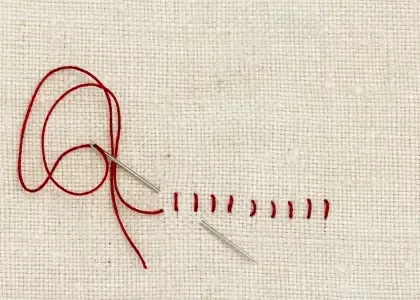
I couldn’t grow a new heart, so I stitched mine, only to discover its elasticity, and now it swells daily with gratitude.
A memory photo came up this morning.
My books held in place by my disco Dr. Martens boots.

Nothing curated.
Nothing symbolic on purpose.
Just a quiet snapshot of a life that had to be lived forward, not rewritten.
And it reminded me of something couples don’t want to hear in the aftermath of betrayal.
You don’t get a new heart.
Why Couples Want to “Start Over” After Betrayal
After betrayal, both partners are often chasing the same thing in different ways.
The betrayed partner wants relief.
From vigilance. From scanning. From the constant “what if.”
The unfaithful partner wants to stop being defined by the worst thing they did.
They want the slate wiped clean.
They want to be seen again.
So couples start talking about “starting over.”
What they usually mean is amnesia.
But nervous systems don’t work that way.
Rebuilding trust doesn’t work that way either.
The heart you have is the heart you repair.
What “Stitching” Actually Looks Like in Betrayal Recovery
Stitching is not romantic.
It’s not poetic.
And it’s not a feeling.
It’s behavioral.
It looks like:
answering the question the first time, clearly, without defensiveness
choosing literal communication instead of implication and guessing
repairing in the moment instead of storing evidence for later
setting boundaries around alcohol, phones, nights, and tone
stopping interrogation and replacing it with clean requests
staying present without forcing closeness
letting discomfort exist without punishment
Stitching is repetitive.
Sometimes tedious.
Often humbling.
And it’s the only thing that closes the wound enough for anything else to happen.
Elasticity Is the Real Goal in Relationship Repair
Most couples think healing means never getting triggered again.
That’s not realistic.
What you’re actually building is elasticity.
Elasticity is the capacity to stretch without snapping.
You know it’s forming when:
arguments don’t escalate as far
rupture still happens, but repair is faster
reassurance replaces interrogation
accountability replaces control
silence feels less threatening
connection doesn’t require pretending
Elasticity doesn’t erase what happened.
It changes how rebuilding trust functions day to day.
Gratitude After Betrayal, Correctly Understood
Gratitude after betrayal is often misunderstood.
It is not gratitude for what happened.
It is not forgiveness.
And it is not a demand.
It’s gratitude for what becomes possible when the truth is finally faced.
For many couples, that looks like:
clarity instead of confusion
standards instead of survival
self-respect instead of self-abandonment
communication that is cleaner and calmer
choosing each other consciously, not by default
Gratitude isn’t a bypass.
It’s a capacity that returns when your nervous system stops living in constant threat.
Deciding Whether to Stay After Infidelity
Stitching doesn’t mean you stay.
It means you stop bleeding while you decide.
It gives you the steadiness required to ask the real questions:
Can we communicate without causing harm?
Can accountability be consistent?
Can safety be rebuilt over time?
Do we both have the capacity to change our behavior, not just our intentions?
Those answers don’t come from speeches.
They come from structure, repetition, and support.
A Final Word for Couples in the Early Days of Betrayal
If you’re in the early days, you don’t need inspiration.
You need containment.
You don’t need a new heart.
You need elasticity.
And that is built slowly, deliberately, and with guidance that respects how hard this actually is.
If you’re looking for structured betrayal recovery and relationship reset support, I can help.
You don’t have to rush.
You don’t have to decide today.
But you do need to stop bleeding.
Ready to Continue the Work
Discover the HOPE Roadmap
Book a Relationship Reset Session
Questions Couples Ask in Betrayal Recovery
Can couples rebuild trust after infidelity?
Yes. Trust is rebuilt through consistent behavior, clear accountability, and real-time repair. In the HOPE Roadmap, rebuilding trust begins once safety and honesty are stabilized.
What does rebuilding trust actually look like day to day?
It looks like answering clearly the first time, reducing defensiveness, choosing literal communication, and making repair attempts when tension rises. These behaviors must be consistent, not occasional.
Why doesn’t “starting over” work after betrayal?
Because nervous systems remember rupture. Wanting to start over is a desire for safety, but real repair requires structure, truth, and accountability, not erasing the past.
Does healing mean triggers go away?
No. Healing builds elasticity, the ability to recover faster after activation without escalating, shutting down, or controlling. Elasticity is a key marker of progress in betrayal recovery.
How do couples decide whether to stay together after infidelity?
You don’t decide while bleeding. Clarity comes after observing patterns of accountability, repair, and emotional safety over time.