
Your Relationship Changed After the Baby. Now What?
You can love your child deeply and still be unsettled by what becoming parents has changed between the two of you.
Maybe you are arguing about things that never used to become arguments. One of you feels alone. The other feels like nothing they do is enough. Affection has changed. Sex may have changed. Even a simple question can land like criticism.
You may both be trying and still find yourselves wondering how the relationship became this hard.
The question is not whether having a baby changed your relationship. It did. The question is what the two of you do with what changed.

The Argument Is Rarely Just About What Happened Five Minutes Ago
The bottle. The laundry. Who got up last night. Who gets a break. Who remembered the appointment. Who initiated affection. Who did not.
On the surface, couples can spend enormous energy arguing about individual moments. Underneath those moments, something else may be happening.
You Did Not Just Add a Baby to Your Old Life
Becoming parents changes time, sleep, responsibilities, attention, privacy, spontaneity, and often the way each person experiences their own identity.
Expectations that were never discussed can suddenly become very visible. So can differences in how each of you responds to stress, asks for help, gives affection, handles responsibility, or interprets the other's behavior.
That can create strain even when both people care deeply about the relationship.
Two People Can Be Trying and Still Keep Missing Each Other
One partner may say, “I need you to notice what needs to be done,” while the other hears, “You are failing me.”
One may say, “I need some space,” while the other hears, “I don't want you anymore.”
One may be asking literally for help with a task. The other may be hearing a larger judgment about whether they are a good partner or parent.
When those interpretations go unspoken, couples start reacting to what they think was meant instead of what was actually said.
The Pattern Matters More Than the Last Argument
A difficult week does not tell you everything about your relationship. What matters is what keeps happening between you and whether the two of you can interrupt it.
Scorekeeping
Each person is tracking what they carry, what they give up, and what the other person seems not to notice.
Defending Before Listening
A request or frustration lands as an accusation, so the response becomes explanation or defense before either person feels heard.
Unspoken Expectations
Both people are operating from assumptions about what a supportive partner or parent should automatically know.
Less Repair
There is so little time and energy that one hard interaction runs directly into the next responsibility.
Emotional Distance
Conversations become logistical. You coordinate the household while having fewer conversations about the two of you.
Resentment
What began as disappointment starts hardening into a story about who cares more, who sacrifices more, or who can be counted on.
When Touch and Sex Become More Complicated
Physical connection after a baby can change for many reasons. Exhaustion, recovery, body changes, stress, resentment, feeling touched-out, pressure, rejection, fear of rejection, and emotional distance can all affect how closeness feels.
This is why treating intimacy as a frequency problem usually misses the point.
Sometimes one person misses sex. The other misses feeling emotionally understood. Sometimes affection has become loaded because a hug no longer feels like just a hug. Sometimes both people miss closeness but have stopped knowing how to reach for each other without creating pressure.
The useful question is not simply, “How do we have more sex?”
but rather, “What has happened to connection between us, and what would make closeness feel possible again?”
You Are Not Trying to Get the Old Relationship Back
The relationship before the baby belonged to a different version of your life. Different demands. Different roles. Different amounts of time and freedom.
Trying to recreate exactly what existed before can leave both people frustrated.
A Relationship Reset asks a different question: now that life has changed, what does this relationship need to become?
That means looking clearly at communication, responsibility, resentment, affection, boundaries, expectations, and the way each of you responds when you feel hurt or unseen.
It also means finding out whether both people are willing and able to participate in building something different from here.
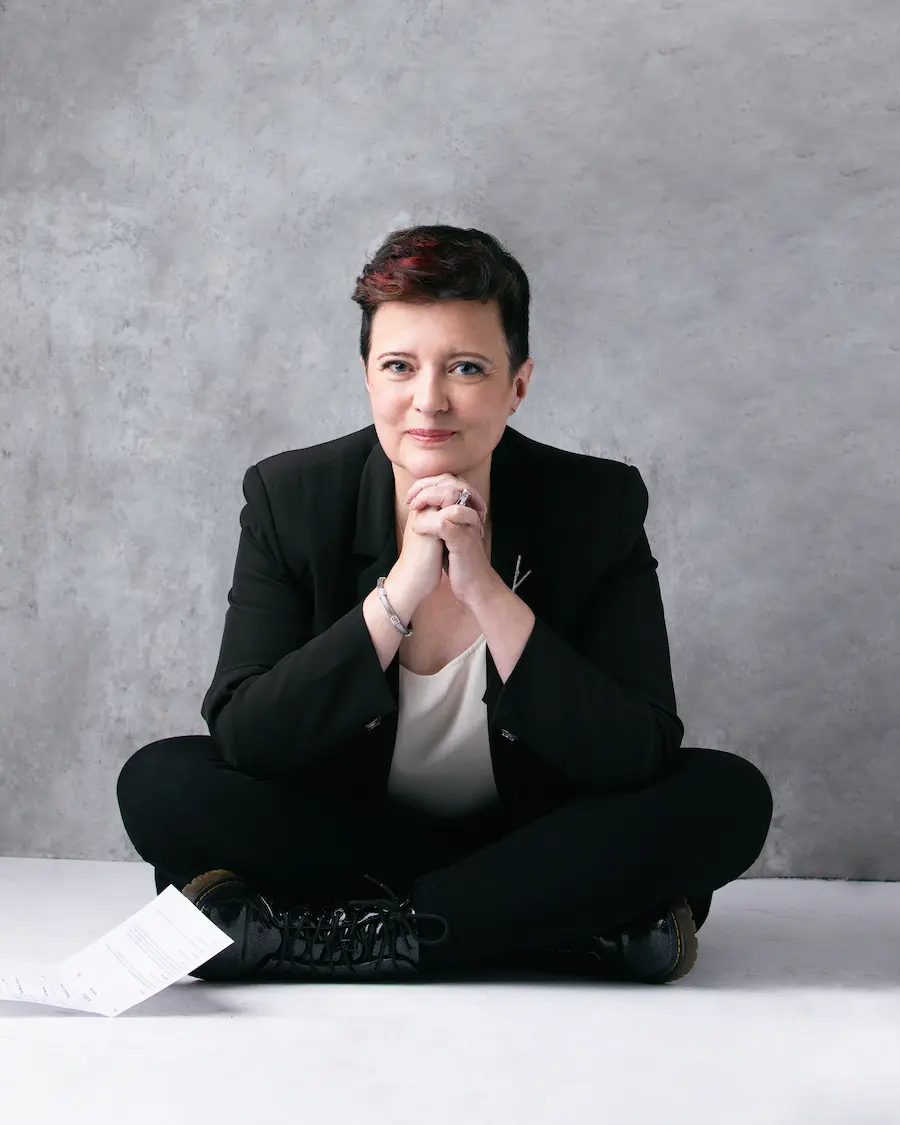
A Different Kind of Conversation About What Is Happening Between You
I work with couples who are already trying but keep getting pulled back into conversations that leave both people frustrated, defensive, or further apart.
We look at what is actually happening in those moments. What was said. What was heard. What was assumed. Where the interaction changed. What each person did next.
The goal is not to decide who is the better partner or parent. It is to make the pattern visible enough that you can begin making different choices inside it.
Relationship coaching is not psychotherapy or traditional marriage counseling. For couples looking for a direct, practical alternative to marriage counseling in Westchester County, this work focuses on communication, connection, responsibility, self-trust, and decision clarity.
Relationship Support and Postpartum Health Are NOT the Same Thing
Relationship coaching can address communication, disconnection, resentment, intimacy, expectations, and the patterns developing between the two of you after becoming parents.
It is NOT medical or mental-health treatment for postpartum depression, postpartum anxiety, birth trauma, or other health concerns.
If either partner is experiencing symptoms that may require medical or mental-health care, appropriate professional support is important and necessary. Relationship work can take place alongside that care when appropriate.
When You Are Not Sure What Kind of Help You Need
Is it normal for our relationship to feel different after having a baby?
A major change in responsibilities, sleep, time, identity, and physical and emotional capacity can affect a relationship significantly. The more useful question is what is happening between the two of you now, whether certain patterns are becoming established, and what it would take to respond differently.
What if we love each other but argue constantly now?
Caring about each other does not automatically prevent reactive communication. We can look at where your conversations change, what each person is hearing or assuming, and what keeps turning ordinary stress into recurring conflict.
Can you help if our physical relationship has changed?
Yes, when the concern involves the relationship between emotional connection, communication, affection, resentment, pressure, rejection, or changing expectations around intimacy. Medical concerns should be addressed with the appropriate healthcare professional.
Do both partners need to attend?
No. One partner can begin individually. That can be useful when you need clarity about your own reactions, communication, boundaries, or what you want before deciding how to involve your partner.
What if my partner thinks we are just tired and this will pass?
You do not need to prove that the relationship is in trouble. Pay attention to what is repeating. If resentment, distance, conflict, or disconnection continue to grow, that information matters. You can begin by getting clear about what you are experiencing and what you can change in the way you participate.
Is this marriage counseling?
No. Vanessa provides relationship coaching, not psychotherapy or marriage counseling. The work is direct and practical, with attention to communication, relationship patterns, responsibility, connection, self-trust, and decision clarity.
You Do Not Have to Decide What This Means for Your Relationship Before You Understand What Is Happening
A Foundation Session gives us time to look at the patterns that are creating strain, what each of you may be responding to, and what would need to change for the relationship to feel different from here.
You can come together, or one partner can begin individually.
Vanessa Cardenas provides private Relationship Reset coaching from Peekskill, serving clients throughout Westchester County, Putnam County, and the Hudson Valley, with virtual sessions available

© Copyright 2017-2026.
Understanding Ear LLC. All rights reserved.