Private Relationship Coaching · Peekskill, NY · Westchester County

Private Relationship Coaching

Relationship work needs enough continuity to change what keeps happening outside the room.

Most couples who come to me have already had the conversations. They have explained, apologized, promised, argued, withdrawn, tried again, and sometimes sought help elsewhere.

The problem is not always that you haven't talked enough. It may be that the same pattern keeps taking over once the conversation becomes difficult.

Private relationship coaching gives us enough continuity to understand that pattern, work with it while it is happening, and see what changes when you take the work back into your actual relationship.

Foundation is where our work begins. It is not a promise that a relationship problem built over months or years will be resolved in 90 minutes.

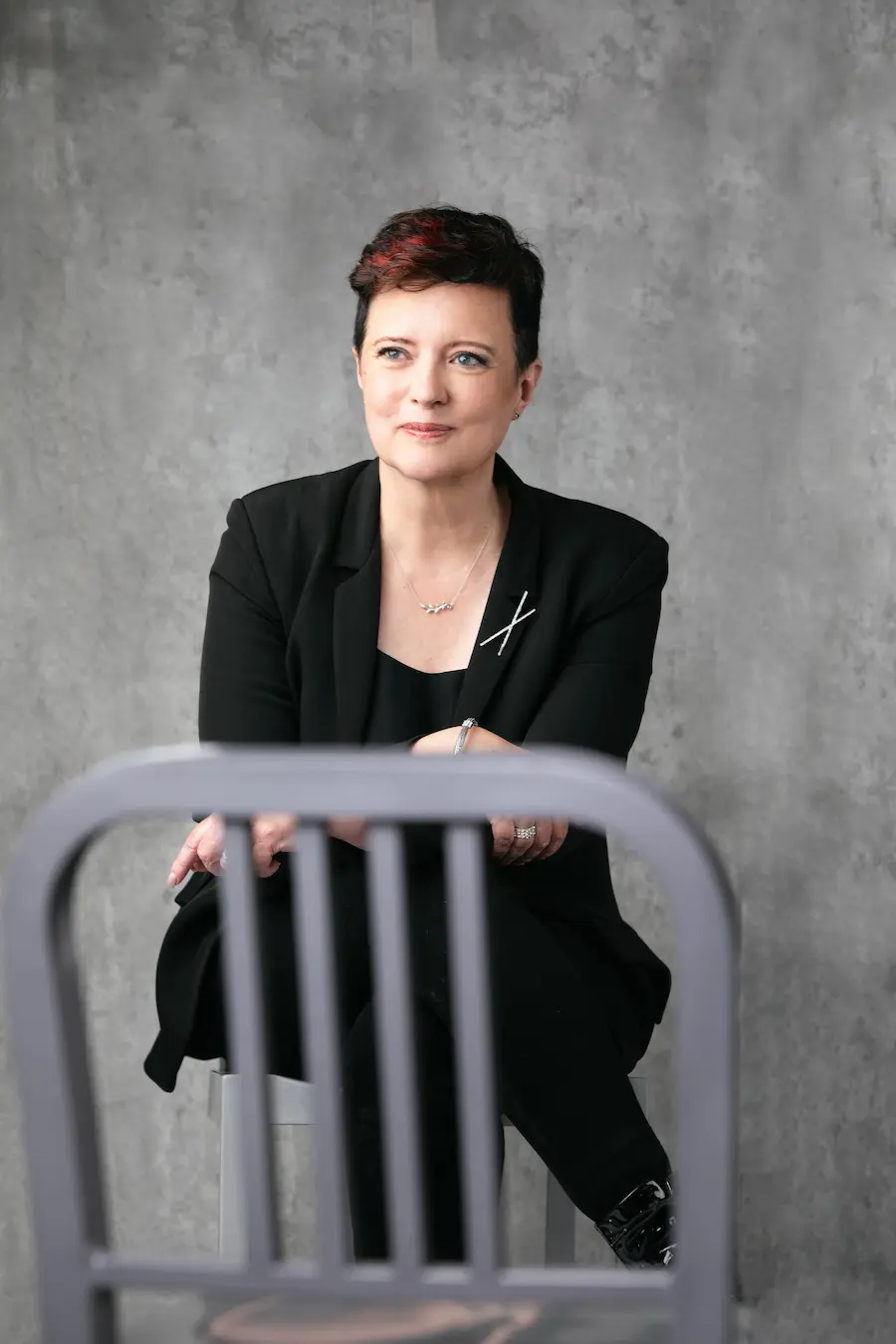
Vanessa Cardenas, private relationship coach in Westchester County, New York
In-person in Peekskill, NY · Serving Westchester County and the Hudson Valley · Virtual sessions available
★★★★★ 5.0 Google Rating · 75+ client reviews

Foundation Is the Beginning

First, I need to understand the relationship I am actually working with.

Every relationship has its own history, pressure points, communication patterns, injuries, strengths, and ways of protecting itself.

That is why I don't decide before meeting you that your relationship needs a certain number of sessions or that you should follow the same schedule as the couple who came in before you.

We begin with a 90-minute Foundation Session. I review your intake beforehand, and then we use our time together to understand what brought you here, what has already been tried, how each of you experiences the relationship, and where the conversations are getting stuck.

From there, the work develops based on what I am actually seeing rather than a package chosen before I know you.

Learn more about the Foundation Session →
We Look at the Pattern

What keeps happening between you?

Not just what you argue about, but what happens once the conversation becomes difficult. Who explains? Who defends? Who pursues? Who withdraws? Where does meaning change between what one person says and what the other hears?
We Look at What Changed

Why does the relationship feel different now?

There may have been betrayal, resentment, emotional distance, loss of intimacy, repeated disappointment, or no single event at all. We need to understand what changed before deciding what rebuilding differently would require.

We Look at Both People

What is each person bringing into the interaction?

A relationship pattern belongs to the relationship, but each person experiences it differently. Understanding those differences matters if we are going to change what happens between you.

Structure Without Being Locked In

There is a rhythm to the work. It is not a predetermined package.

I don't believe I can responsibly decide how many sessions your relationship needs before I understand your relationship.

There is structure, because relationship work needs continuity. But structure is different from locking you into a schedule that may stop making sense as the work progresses.

We begin. We pay attention. We work with what is happening. Then we reassess.

Your relationship is as unique as your fingerprint. The way we work together should reflect that.

What the Early Work Often Looks Like

We need enough time together to see more than one version of the relationship.

For couples, the early work often includes time together, time with each person individually, and then returning to the relationship with a much fuller picture.

This is a working cadence, not a rigid protocol. I adjust it when what is happening between you tells me we need to.

We Begin Together

Foundation Session

We start together with 90 minutes to understand what brought you here, what each of you believes is happening, what has already been tried, and where the relationship is getting stuck.

We Continue Together

The Next Joint Conversation

The next conversation gives us something Foundation cannot: the opportunity to see what happens after you have gone home, thought about what came up, talked to each other, and returned with the relationship still unfolding.

We Look Individually

Time With Each Partner

I often meet individually with each person. This gives me room to understand how each of you experiences the relationship, what you may be protecting, what you assume, what you need, and what you may not be able to articulate while also managing your partner's reaction.

We Come Back Together

Joint Work With a Fuller Picture

When we return to joint work, I am no longer trying to understand everything at once. We can become much more specific about what is happening between you, what each person is responsible for, and what needs to change in the relationship itself.

We Keep Working

Another Joint Conversation

We continue applying the work to the relationship you are actually living. That gives us more information about what is changing, what is difficult to sustain, and where the old pattern still has a strong hold.

We Reassess

What Makes Sense From Here?

By this point, we know much more than we did at Foundation. We look at where you are now, what has shifted, what still needs attention, and what frequency of support makes sense from here.

The Cadence Changes With You

You may need me differently at different points in the work.

At the beginning, there may be a lot happening. Conversations are active. Trust may be uncertain. You are trying new ways of responding to each other while still living inside the relationship that brought you here.

Meeting weekly may make sense for a period of time because we need continuity.

As things become steadier and you are able to carry more of the work into your relationship without me in the room, we may create more space between sessions.

Weekly Every Other Week Every Three Weeks Monthly

That is an example, not a schedule I impose on every client. Another relationship may need a different rhythm entirely.

We decide based on what is happening, what still needs attention, how well the changes are holding between sessions, and what feels sustainable for you.

Working with me should not become another source of stress. If a cadence feels uncomfortable, financially stressful, or simply does not fit what is happening in your life and relationship, we talk about it. You already have enough pressure. The structure of the work should support what we are trying to accomplish, not compete with it.

What We Are Actually Working On

Continued coaching lets us work with the relationship while it is happening.

We are not simply collecting more information about what went wrong. We are paying attention to what happens between you now and what happens when you try something different.

Communication

What you said and what your partner heard may be two different things.

I listen for where literal words and inferred meaning separate. Sometimes the conflict is not about the sentence that was spoken. It is about what the other person believes that sentence means.

Reactivity

We pay attention to the moment the conversation begins to change.

That may be defensiveness, withdrawal, urgency, criticism, shutting down, or trying so hard to be understood that listening becomes almost impossible. Seeing that moment gives us somewhere specific to work.

Responsibility

Each person has a part. The parts are not always equal.

Responsibility does not mean automatically splitting every problem fifty-fifty. It means becoming clear about what belongs to you, what belongs to your partner, and what each person is actually willing and able to change.

Trust

We look at what is happening now, not only at what is being promised.

Trust develops through truth, consistency, accountability, follow-through, boundaries, and repeated experience. Continued work gives us the opportunity to see whether those things are actually becoming part of the relationship.

Connection

Emotional and physical distance usually has a context.

When intimacy has disappeared, we look beyond the absence of sex. Resentment, emotional safety, presence, avoidance, trust, unresolved conflict, and how each person experiences closeness can all be part of what the physical relationship is reflecting.

Self-Trust

You need to be able to hear your own thinking again.

Especially after betrayal or prolonged conflict, it can become difficult to separate what you know from what you fear, hope, assume, or have been told. Clearer decisions begin with being able to trust your own observations again.

Reassessment

We don't keep the same schedule simply because that is how we started.

Reassessment is part of the work.

It does not mean starting over. It means looking honestly at where the relationship is now compared with where it was when we began.

Sometimes we still need close contact because the relationship is in an active period of change. Sometimes the work is holding and you need more space to practice it without me in the room.

The cadence should respond to that.

What has actually changed between you?
What keeps repeating?
What are you handling differently on your own?
Where are you still getting stuck?
What needs more attention now?
How often do we actually need to meet at this stage?

Clarity Without Pressure

Working on the relationship does not require pretending you already know the outcome.

Some couples are clear that they want to rebuild. Others are trying to determine whether rebuilding is actually possible. Sometimes one person is more certain than the other.

I am not there to make that decision for you.

Our work gives you more accurate information with which to make it. We can look at whether communication is changing, whether responsibility is being taken, whether trust is becoming more grounded in behavior, and whether both people are capable of participating in a different relationship.

The questions become clearer: Can this work? What would it take? Am I willing? Are they capable?

You do not have to answer all of them on the first day.

Individuals and Couples

Sometimes the relationship work happens together. Sometimes we need individual space too.

Individual conversations can be part of understanding the larger relationship, and some clients begin with me individually because their partner is not ready to participate. The format depends on what is happening and what will help us understand it more clearly.

Couples Relationship Coaching

For couples dealing with recurring communication breakdowns, emotional disconnection, loss of intimacy, trust concerns, betrayal, or uncertainty about whether the relationship can continue as it has.

Explore Couples Coaching →

Relationship Reset

For individuals and couples who know something needs to change and want to understand the relationship they are actually living before deciding what rebuilding differently would require.

Explore Relationship Reset →

Women's Relationship Coaching

For women who have become so focused on managing the relationship, anticipating reactions, keeping things steady, or understanding their partner that their own thinking has become difficult to hear.

Explore Women's Relationship Coaching →

Men's Relationship Coaching

For men working through relationship breakdown, betrayal, emotional shutdown, communication, responsibility, or consequences that now look different from the other side.

Explore Men's Relationship Coaching →

When Betrayal Is Part of the Relationship

Betrayal recovery needs more than one conversation about what happened.

After betrayal, ordinary moments can carry entirely different meanings. A late reply may become a question about truth. A request for space can sound like rejection. Reassurance may be sincere and still fail to land because the person receiving it no longer knows what information is safe to trust.

Continued work gives us the opportunity to see what happens after the first conversations. Are questions being answered differently? Is accountability becoming more consistent? Is new information continuing to emerge? Is the betrayed partner beginning to trust their own observations again? Are both people participating in what rebuilding would actually require?

If betrayal is central to what brought you here, we work with the relationship that exists after discovery rather than trying to recreate the one that existed before it.

Explore Betrayal Recovery →

Local and Virtual Support

Private relationship coaching in Peekskill, New York

I meet with individuals and couples in person in Peekskill, serving clients throughout Westchester County and the Hudson Valley. Virtual sessions are available for local clients when getting to the office is not practical.

Peekskill, NY Westchester County Hudson Valley Putnam County Virtual Sessions

Frequently Asked Questions

Questions about private relationship coaching

Is the Foundation Session a one-time coaching session?

Foundation is where our work begins. It gives me time to understand what brought you here, what has already been tried, how each person experiences the relationship, and where the relationship is getting stuck.

Relationship patterns usually developed over time, so I do not approach Foundation as though everything should be resolved in 90 minutes. What we learn there gives us direction for the work that follows.

Do I have to purchase a coaching package?

No. I do not ask you to purchase a predetermined package before I understand your relationship.

There is structure and continuity to the work, but we determine the cadence as we go. Your relationship tells us far more about what you need than an arbitrary number of sessions chosen in advance.

How often will we meet?

It depends on what is happening in the relationship. At the beginning, weekly sessions may make sense because there is a lot to understand and continuity matters. As the work becomes steadier, we may move to every other week, every three weeks, or monthly.

That is not a required progression. We reassess as we go and choose a cadence that supports the work without creating unnecessary pressure for you.

Will you meet with us individually?

Often, yes. In couples work, individual conversations can help me understand how each person experiences the relationship, what they are carrying into the dynamic, and what may be difficult to articulate while their partner is in the room.

We then bring that fuller understanding back into the relationship work.

What if one of us wants to meet more often than the other?

Then that becomes part of the conversation. I do not want the structure of coaching to become another conflict you have to manage at home.

We look at what each person is concerned about, what the relationship needs at that point, and what cadence is both useful and sustainable.

What if my partner will not participate?

You can still begin individually. Your partner's willingness or unwillingness to participate is meaningful information, but it does not prevent you from understanding what is happening, rebuilding confidence in your own judgment, and becoming clearer about your choices.

Can this help after infidelity or another betrayal?

Yes. Betrayal recovery is a significant part of my work. We look at what happened, what is still unclear, how trust is being affected now, how each person is responding after discovery, and what rebuilding would actually require from both people.

Can this help with a sexless marriage or loss of intimacy?

Yes. A sexless marriage is often reflecting more than a physical issue. Emotional disconnection, resentment, avoidance, unresolved conflict, trust, stress, and the way each partner experiences closeness can all affect physical intimacy. We begin by understanding what the loss of intimacy is reflecting in the relationship.

Is this therapy or marriage counseling?

No. This is relationship coaching. My work focuses on communication, relationship patterns, trust, responsibility, practical application, and decision clarity. Coaching does not diagnose or treat mental health conditions and does not replace appropriate clinical care.

Where do sessions take place?

My office is in Peekskill, New York, and I work in person with individuals and couples throughout Westchester County and the Hudson Valley. Virtual sessions are available for local clients when getting to the office is not practical.

Begin With Foundation

We do not need to decide the entire course of the work before we understand your relationship.

Foundation gives us a place to begin. From there, we work with what we learn, build enough continuity to see what is changing, and adjust the cadence as the relationship changes.

In-person in Peekskill, NY · Serving Westchester County and the Hudson Valley · Virtual sessions available

Vanessa Cardenas, Relationship Reset Expert, guiding couples on rebuilding trust and communication strategies in Westchester County

© Copyright 2017-2026.

Understanding Ear LLC. All rights reserved.